
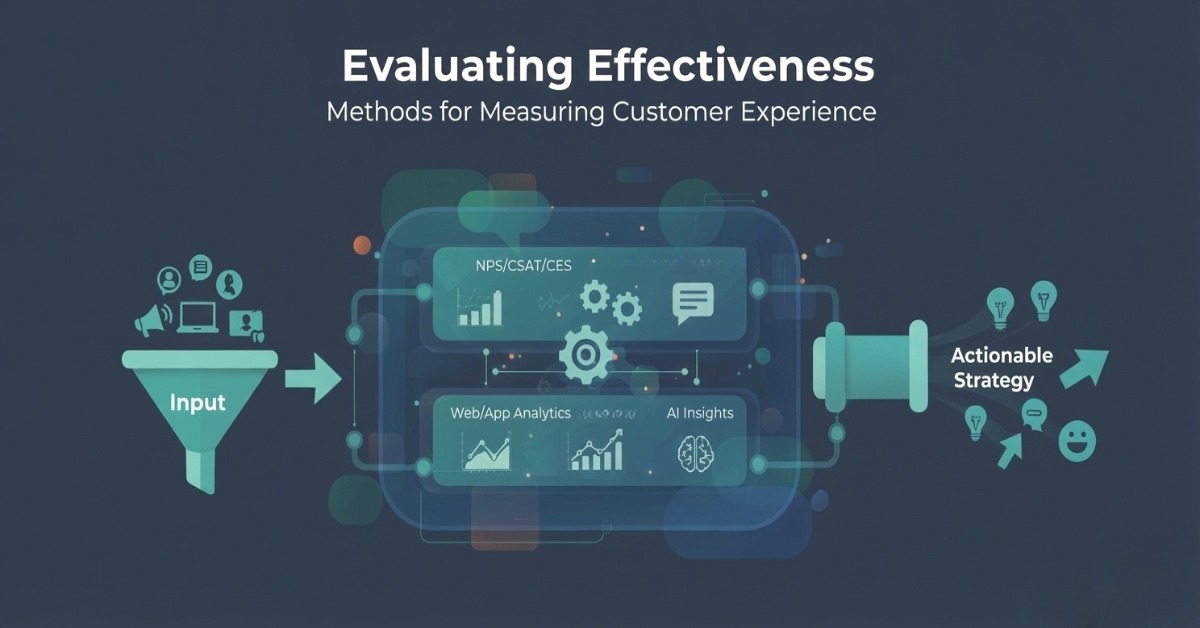
Customer experience (CX) isn’t just a buzzword—it’s the backbone of successful businesses. Every interaction shapes how people perceive a brand, and those perceptions directly affect loyalty, satisfaction, and revenue. So, how do you know if your CX efforts are bringing actual results? The answer lies in measuring customer experience with purpose and precision.
This blog breaks down practical methods for evaluating customer experience. Whether you’re just starting out or looking to refine existing strategies, you’ll discover approaches you can use right away. Let’s tackle the challenges together.
Table of Contents
What Makes Measuring Customer Experience So Challenging?
It’s easy to talk about “putting the customer first,” but tracking the real impact is tougher. Many businesses face the following hurdles:
- Vague feedback: Not every unhappy customer takes the time to complain. Negative experiences often slip by without a trace.
- Fragmented data: Information lives in silos—support tickets, surveys, social media—making it hard to see the big picture.
- Changing expectations: What’s “good enough” today might not satisfy customers tomorrow.
- Delayed signals: By the time you spot a trend, some customers may already be gone.
Missing these warning signs means missed opportunities. When companies lack a clear view of how customers feel, they risk losing trust, sales, and momentum.
Why Measuring Customer Experience Matters Now?
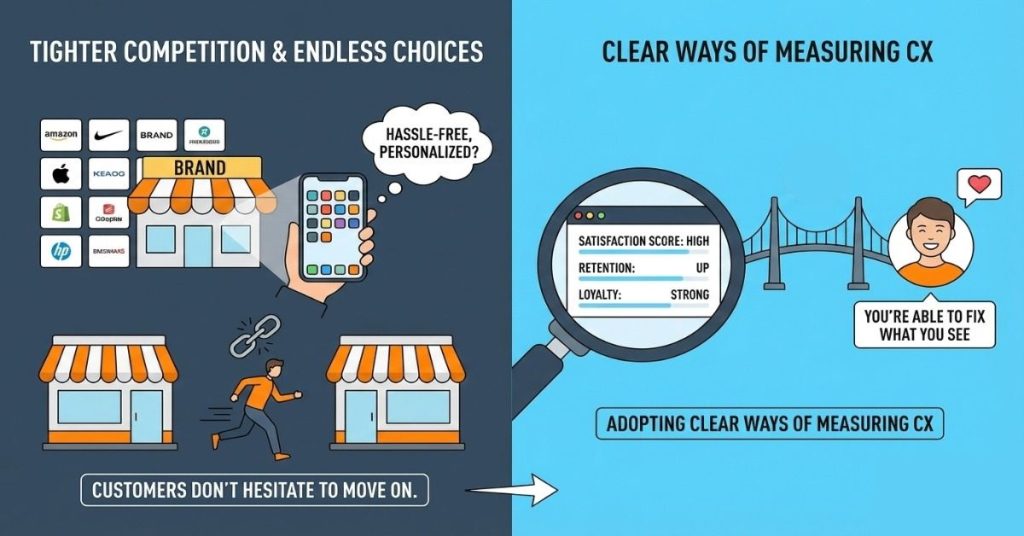
Businesses face tighter competition, and consumers have endless choices. When shopping or signing up for a service, people expect hassle-free, personalized experiences. If businesses miss the mark, customers don’t hesitate to move on.
You can’t fix what you can’t see. By adopting clear ways of measuring CX, you’re able to:
- Discover problems before they cascade.
- Make confident decisions backed by real feedback.
- Strengthen customer loyalty by acting on honest insights.
Knowing how your audience truly feels is powerful—and necessary for staying ahead.
Popular Methods for Measuring Customer Experience
Let’s jump into the tried-and-true tools that help organizations keep customer interactions moving in the right direction.
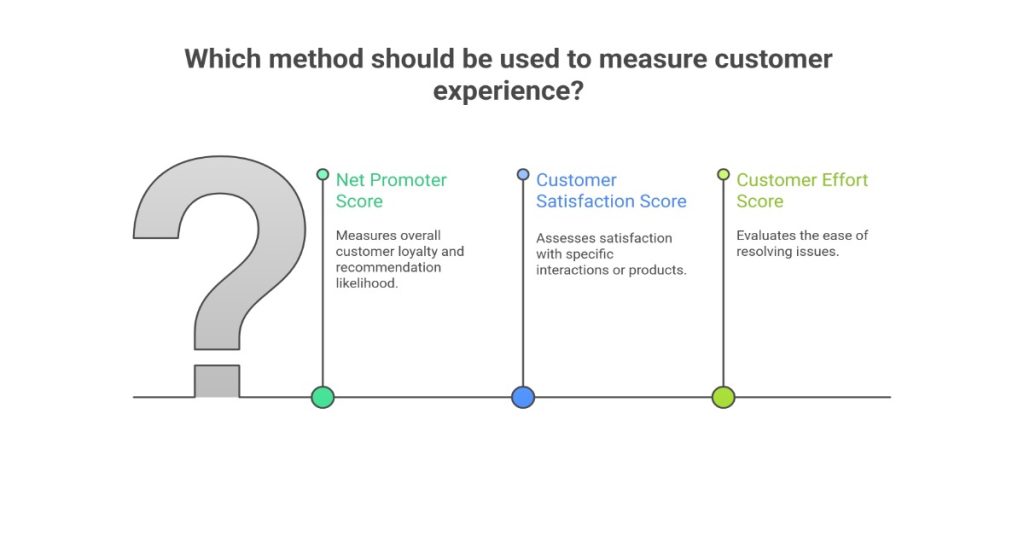
1. Net Promoter Score (NPS)
Net Promoter Score is simple yet revealing. You ask customers one question: “On a scale from 0 to 10, how likely are you to recommend our company to a friend or colleague?” Based on their answers, you split customers into promoters, passives, and detractors.
- Promoters (9-10): Love your brand and may spread the word.
- Passives (7-8): Satisfied but not enthusiastic.
- Detractors (0-6): Unhappy and may warn others.
Calculating your NPS gives a snapshot of overall customer loyalty. By tracking this score over time, you see if changes are having the desired effect.
2. Customer Satisfaction Score (CSAT)
CSAT asks customers to rate their satisfaction with a product, service, or interaction. It’s direct and pointed:
- “How satisfied were you with your recent purchase?”
- “Did our support team meet your needs today?”
CSAT is easy to gather after key touchpoints—like a support chat or purchase. If scores start to slip, it’s a sign something needs attention.
3. Customer Effort Score (CES)
CES measures how much effort customers must put in to get an issue resolved. The goal is to see how simple—or complicated—your processes feel:
- “How easy was it to solve your problem with us today?”
Lower scores mean smoother experiences; higher scores mean friction. Focusing on effort helps you remove obstacles that frustrate customers.
Uncovering Deeper Insights: Beyond Surveys
Numbers give you a starting point, but they often hide the unique stories behind each response. Here’s how to dig deeper:
1. Online Reviews and Social Listening
People often share honest feedback on platforms like Google, Facebook, or Twitter. Monitoring these comments reveals trends in what customers enjoy and what bothers them.
Tools that scan social media for mentions help spot patterns early. Are people upset over slow shipping? Are praise and complaints gaining traction? Use these insights to prioritize changes.
2. Direct Customer Interviews
Nothing beats a good conversation. Chatting with customers one-on-one uncovers details that surveys can miss. You get to ask follow-up questions and understand their experiences in context.
Scheduling interviews can be time-consuming, but quality beats quantity. Even a handful of conversations can lead to valuable discoveries.
3. Support Ticket Analysis
The issues customers report aren’t random—they highlight weak spots in your products, processes, or communication. Reviewing support and complaint data systematically reveals common pain points.
If one complaint keeps surfacing, it’s probably impacting more people than you think.
Linking Measurement to Action
Collecting feedback is just the first step. Acting on what you learn is what sets companies apart.
- Develop a process to review feedback regularly, not just once a year.
- Share insights across teams—product, support, marketing—so everyone knows what needs improvement.
- Celebrate wins: If customers praise a new feature, let the team know it’s making a difference.
- Tackle recurring issues head-on. Quick fixes go a long way in showing customers you’re listening.

Common Mistakes to Avoid
Many organizations gather feedback but struggle with what comes next. Watch out for these traps:
- Only collecting data once: Regular measurement is key to tracking progress and catching new problems.
- Ignoring negative feedback: It’s tempting to focus on praise, but complaints signal where action matters most.
- Relying on one method: No single metric tells the whole story. Mix surveys with analysis of reviews, conversations, and support data.
Turning Data Into Results: Practical Steps
Let’s turn insights into action with some easy-to-follow steps:
- Set clear goals: Do you want to reduce support calls? Boost loyalty? Nail down your target before measuring.
- Choose useful metrics: Pick scores and sources that matter to your business and audience.
- Gather feedback often: Make surveys part of regular customer journeys, not rare events.
- Share findings widely: Teams perform better when everyone knows the customer’s concerns.
- Act quickly: When a trend emerges, respond promptly before it spreads.
Easing Pain Points with Effective Measurement
The path to a stronger customer experience starts with facing current frustrations head-on:
- Feeling ignored: Customers want to know they’ve been heard. Respond to feedback, even if it’s automated—acknowledge their voice.
- Confusion at key touchpoints: Use CES to pinpoint and remove obstacles in your website, app, or service.
- Inconsistent service: Regular NPS and CSAT checks help you keep standards high, no matter the channel.
By measuring CX in meaningful ways, you can resolve these issues before they drive customers away.
Read More
Fostering Loyalty through Exceptional Customer Experiences

Topic Modeling Customer Reviews: Techniques That Surface Hidden Themes

Customer Review Analysis AI: What It Is and How It Pays for Itself?
The Bottom Line: Creating Lasting Connections
Customer experience isn’t just about solving problems—it’s about building lasting relationships. Brands that track and act on feedback build stronger ties, earn positive word of mouth, and keep people coming back.
A good measurement strategy makes CX improvement manageable. Start with the basics, listen to your customers, and act on what you find. Over time, you’ll see real results—not just in ratings, but in loyalty and growth.
Ready to measure your customer experience? Start today, and watch your business grow through genuine connections.